







Hyaluronic Acid Fillers
In the field of aesthetic medicine, hyaluronic acid has become one of the most popular injectable treatments. Thanks to its versatile properties, it can be effectively used to smooth wrinkles, restore facial volume, deeply hydrate the skin and naturally rejuvenate the complexion. One of its most remarkable characteristics is its ability to retain up to 1,000 times its weight in water, helping the skin remain hydrated, plump and firm.

Key Facts about Hyaluronic Acid Treatment
Treatment duration
10 – 30 minutres
Cost
starting from 150€/ml
Anesthesia
Topical anesthetic treatment
Results
Immediately
Technique
Injectable, non-surgical
Recovery Time
None
Duration of Results
9-12 months
Pain Level
Painless
Consultation
Free of charge
What Is Hyaluronic Acid?
Hyaluronic acid is a type of sugar known as a glycosaminoglycan. It occurs naturally in the human body alongside collagen and elastin.
Its unique ability to retain significant amounts of moisture supports the structure of collagen and elastin fibres, contributing to firmer, brighter and more youthful-looking skin.
Over time, the body’s natural levels of hyaluronic acid gradually decrease. This can lead to the development of wrinkles and a loss of facial volume, often giving the face a tired or sad appearance.
Hyaluronic acid fillers are used to replenish this loss by replicating the substance’s natural role within the skin. They help support the skin’s structure, maintain hydration and elasticity, and restore a fresher, brighter and more youthful appearance.
Treatment Areas and Benefits
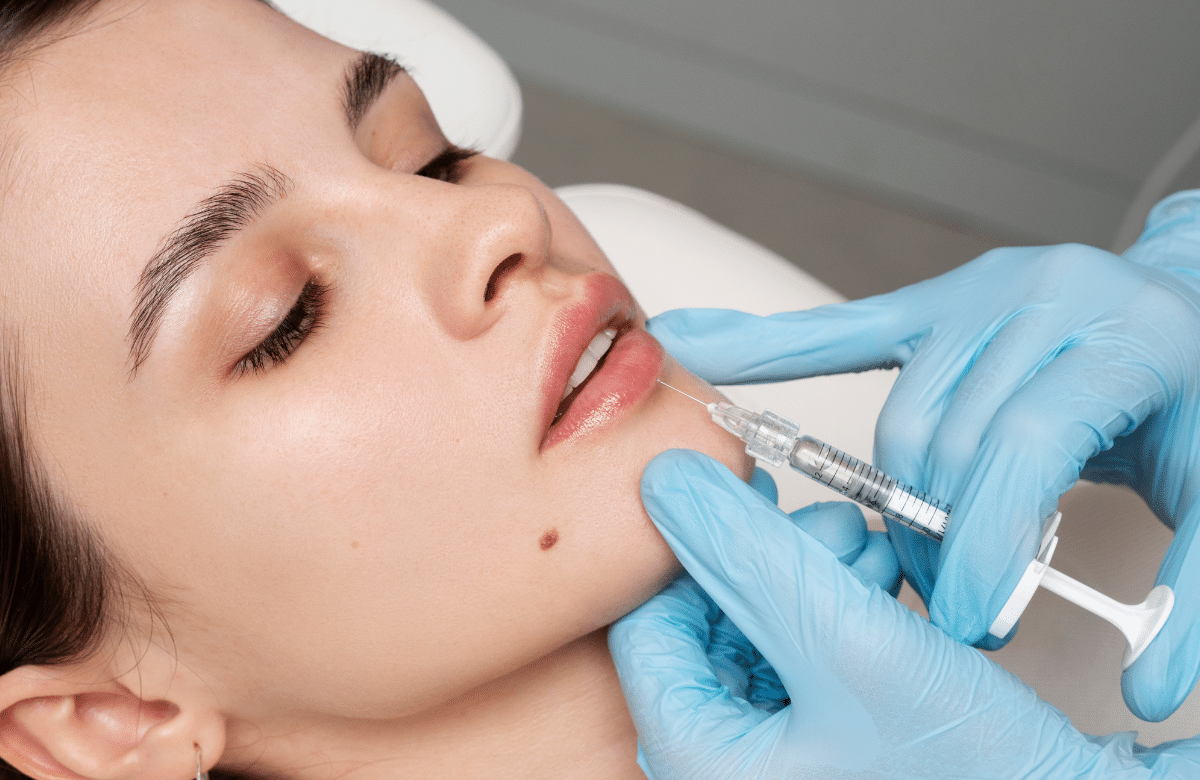
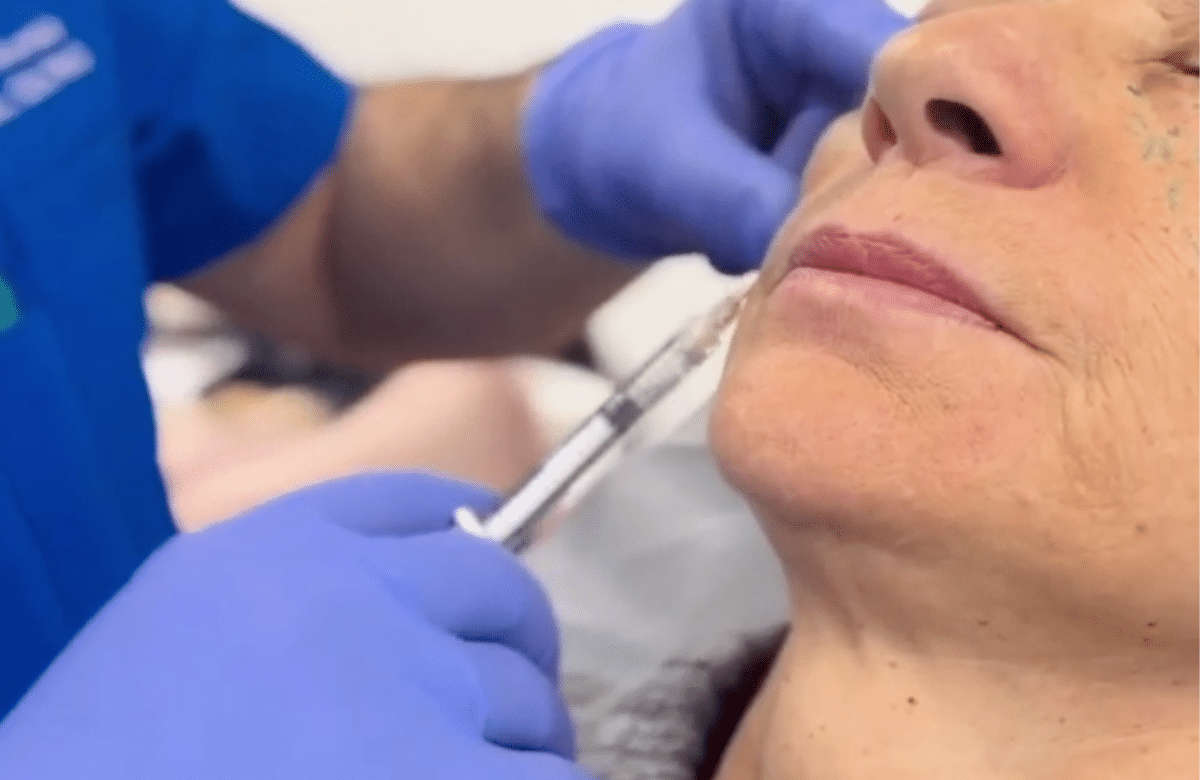
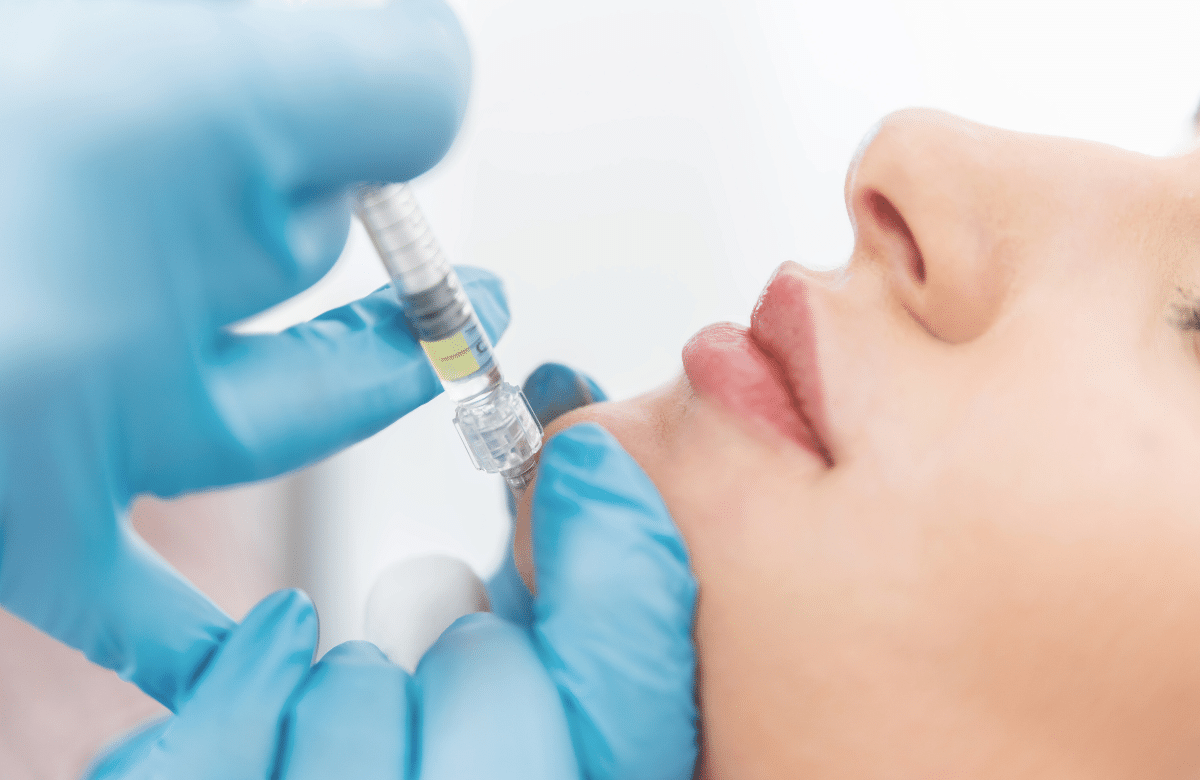
Lip Enhancement
Plastic Surgeon Dr Elias Moustakis uses advanced hyaluronic acid lip enhancement techniques, carefully adapting each treatment to the individual features and proportions of the patient’s face.
Cheek Enhancement with Hyaluronic Acid
Over time, the cheeks may lose volume, altering the natural contours of the face.
Hyaluronic acid can restore or enhance this lost volume, rejuvenating the cheek area while highlighting the eyes and improving the overall structure of the face.
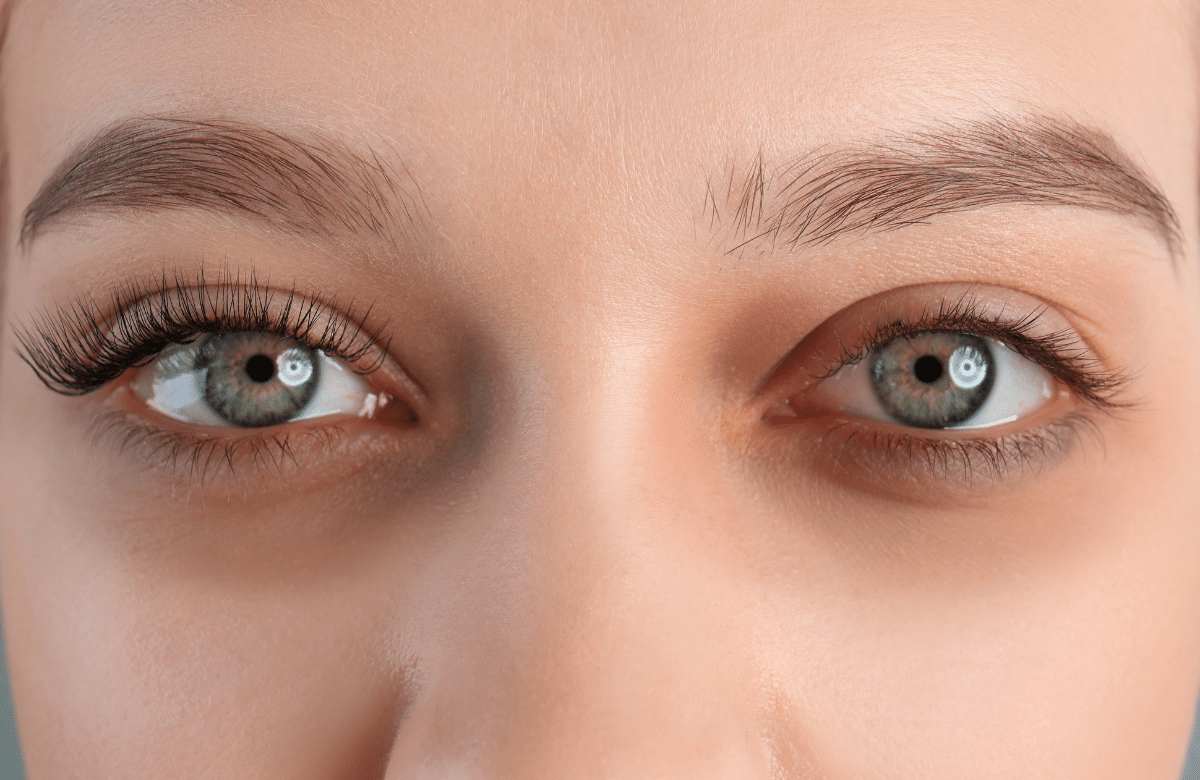
Dark Circle Treatment
The careful application of hyaluronic acid around the eyes can produce a natural-looking result without altering facial expressions.
The treatment refreshes the appearance of the face, helping the eyes look more rested and youthful.
Smoothing Nasolabial Folds
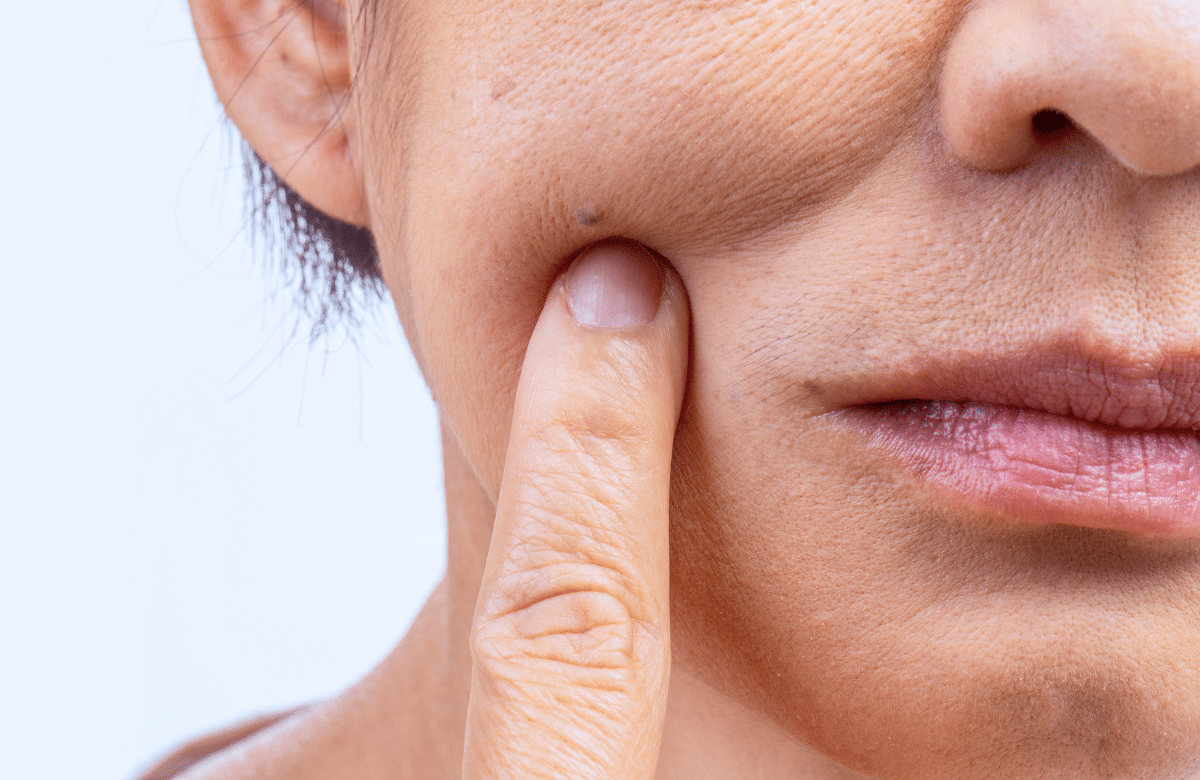
Hyaluronic acid provides a targeted solution for persistent, deep facial lines, including smile lines and nasolabial folds.
By filling the creases of the skin, it helps create a smoother, firmer and more hydrated appearance.
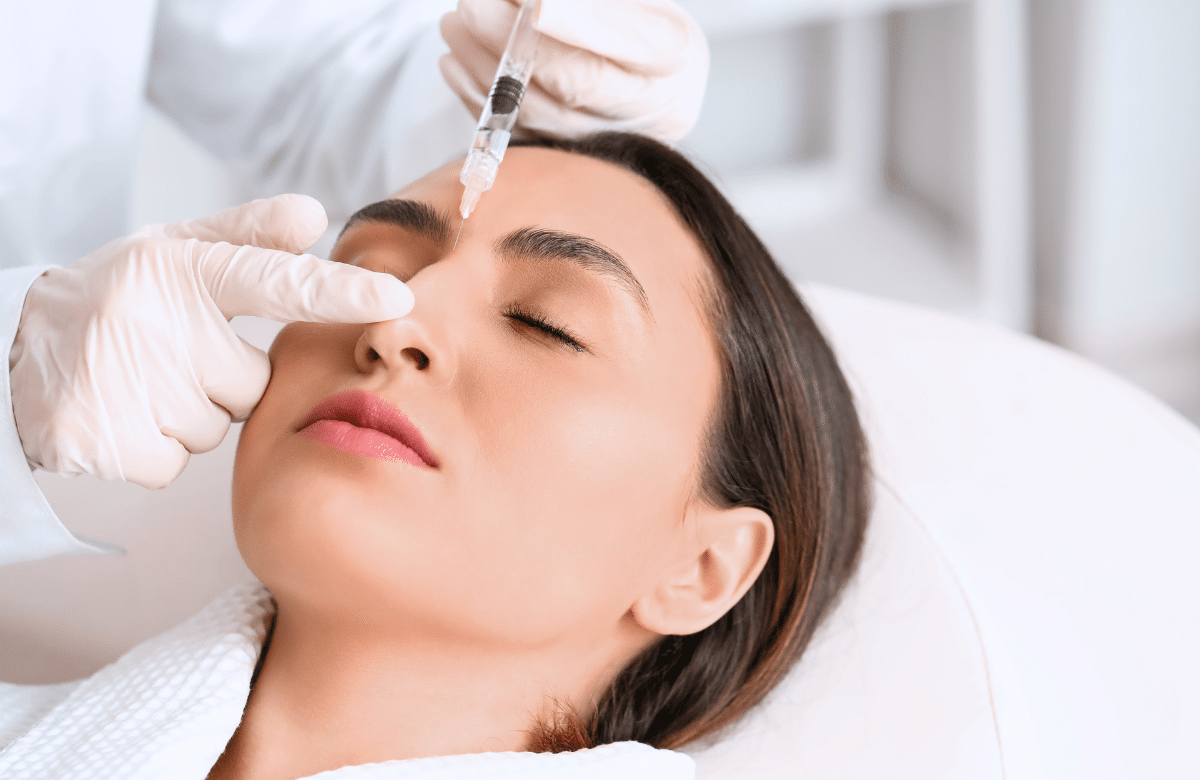
Non-Surgical Rhinoplasty
One of the most innovative uses of hyaluronic acid is non-surgical nose reshaping.
This minimally invasive treatment can improve certain imperfections without incisions or scarring. It may be used to create a straighter and more balanced-looking nose and to correct selected areas of asymmetry.
Jawline and Chin Contouring with Hyaluronic Acid
This treatment is ideal for both men and women who would like to enhance the angles of the lower jaw and improve the definition of the chin.
By adding carefully placed volume, hyaluronic acid can create a stronger, more sculpted and better-defined facial profile.
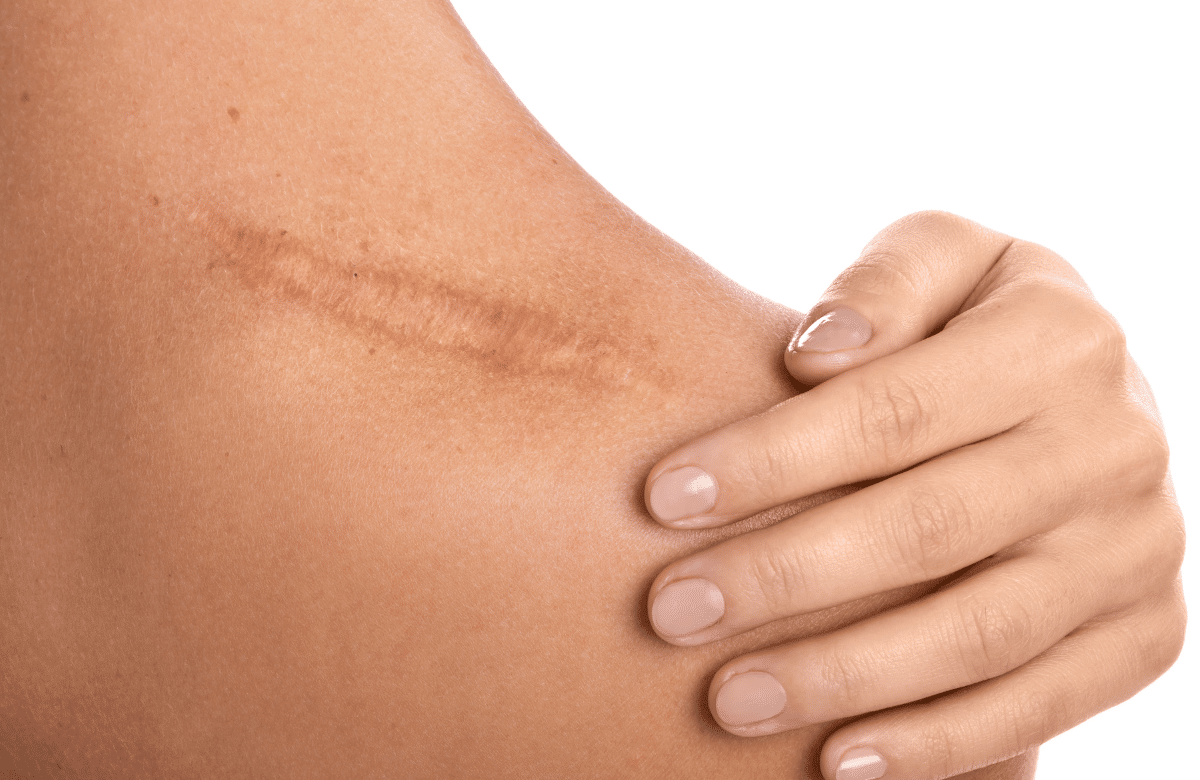
Scar Correction
Hyaluronic acid can be used to improve the appearance of selected scars on the face and body, including scars caused by acne, injuries or surgical procedures.
The treatment helps create a smoother, more even and better-hydrated skin texture.
Hyaluronic Acid Treatment: Step by Step
Advice Before and After Hyaluronic Acid Treatment
Before the Treatment
- Diet and Alcohol: Avoid drinking alcohol and making dietary choices that may affect blood clotting, such as consuming excessive amounts of fatty foods.
- Medication: Inform your doctor about any medication or supplements you are taking, as certain products may increase the likelihood of bruising or hematoma formation. Do not discontinue prescribed medication without first consulting the doctor who prescribed it.
- Skin Preparation: Make sure your skin is clean, healthy and free from active irritation or infection. Avoid potentially irritating treatments, such as waxing, hair removal or chemical peels, for a few days before your appointment.
After the Treatment
- Skincare: Use gentle cleansers and moisturising products to keep your skin clean, hydrated and healthy.
- Physical Activity: Avoid strenuous exercise and intense physical activity for the period recommended by your doctor, as these may increase swelling or irritation in the treated areas.
- Sun Protection: Apply sunscreen and protect the treated area from UV exposure, as sunlight may worsen any temporary redness or bruising.
Benefits of Hyaluronic Acid Treatment
- Supports Collagen Production: Hyaluronic acid can help support the skin’s natural collagen production, improving elasticity and contributing to a more youthful appearance.
- Enhances Facial Features: By restoring or adding volume in carefully selected areas, hyaluronic acid can enhance facial features and improve overall facial balance.
- Hydration and Smoother Skin: It provides deep hydration and can help improve the appearance of imperfections such as wrinkles, folds and selected scars.
- Natural-Looking Results: Hyaluronic acid fillers can rejuvenate and enhance the face while preserving natural facial expressions, without the need for surgery.
- Safety and Long-Lasting Results: When approved products are selected and the treatment is performed by an appropriately qualified and experienced doctor, hyaluronic acid fillers offer a well-established safety profile and long-lasting results.