







Enhance Your Appearance with Blepharoplasty
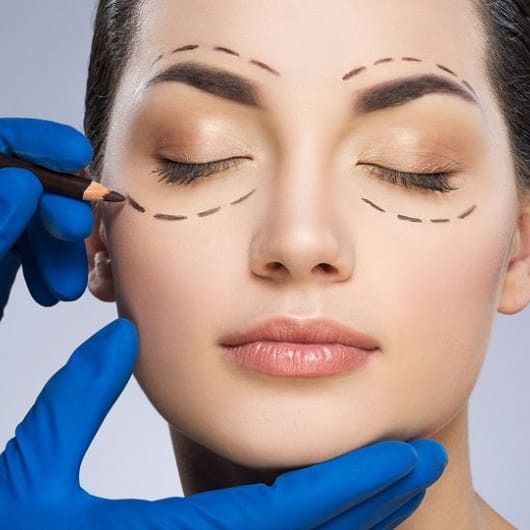
Eyelid surgery, also known as blepharoplasty, is a cosmetic procedure designed to create a younger, fresher and more rested appearance by addressing concerns such as loose, heavy or drooping eyelids.
The procedure involves removing or repositioning excess skin, fat and, where necessary, muscle from the eyelids, resulting in a smoother and more rejuvenated appearance.
In addition to its aesthetic benefits, upper eyelid surgery may also improve visual obstruction when excess skin interferes with the field of vision.
Key Information About Blepharoplasty
Procedure Duration
Approximately 45–60 minutes.
Cost
Indicative price: from €1,000.
Anaesthesia
No general anaesthesia required.
Visible Results
Within approximately 1–2 weeks.
Technique
Surgical procedure.
Recovery Time
Approximately 5–7 days.
Duration of Results
Long-lasting.
Pain Level
Generally painless.
Consultation
€50. The consultation fee is deducted from the total cost of the procedure when the surgery is performed.
What Is Blepharoplasty?
Blepharoplasty is a surgical procedure that can be performed on the upper eyelids, the lower eyelids or both.
It is designed to address a range of aesthetic concerns around the eyes and enhance their overall appearance.
Blepharoplasty is a popular option for people who wish to improve the appearance of tired or ageing eyes and achieve a younger, fresher and more alert look.
Upper Eyelid Surgery
Upper blepharoplasty focuses on removing excess skin, fat and, where necessary, muscle that may create a heavy, hooded or drooping appearance.
The procedure can make the upper eyelid more visible and help the eyes appear more open, refreshed and youthful.
In cases where excess upper-eyelid skin affects peripheral vision, surgery may also provide a functional improvement
Lower Eyelid Surgery
Lower blepharoplasty is primarily designed to reduce under-eye bags, remove excess skin and improve fine lines and wrinkles around the lower eyelids.
The procedure can create a smoother transition between the lower eyelid and the cheek, resulting in a more rested and rejuvenated appearance.
Whether performed on the upper eyelids, lower eyelids or both, blepharoplasty can significantly improve the overall appearance of the eye area.
By reducing loose skin, puffiness, fine lines and visible signs of ageing, the procedure can improve facial harmony and help patients feel more confident in their appearance.
Benefits of Blepharoplasty
One of the main goals of blepharoplasty is to create a refreshed appearance that remains harmonious with the rest of the face.
By addressing loose skin, excess fat and weakened tissues, the eyes can appear more open, alert and youthful.
The aim is not to dramatically alter the natural shape or expression of the eyes, but to create a smoother, brighter and more balanced appearance.
It is important, however, to approach blepharoplasty with realistic expectations.
Although the procedure can significantly improve the appearance of the eyes and provide long-lasting results, it cannot stop the natural ageing process.
The face will continue to change over time. Nevertheless, the benefits of blepharoplasty can remain visible for many years and help preserve a younger and more refreshed appearance.
Patients considering eyelid surgery should consult a qualified and experienced plastic surgeon.
During the consultation, the surgeon will assess the patient’s individual anatomy, concerns and goals, explain the available options and recommend the most suitable treatment plan.
The Blepharoplasty Procedure
Blepharoplasty involves the surgical removal or repositioning of excess skin, fat and, where necessary, muscle from the upper or lower eyelids.
The procedure is suitable for patients who wish to improve visible signs of ageing around the eyes and achieve a fresher and more rested appearance.
During upper eyelid surgery, the incision is usually positioned within the natural crease of the eyelid.
This allows the surgeon to remove excess skin and tissue while ensuring that the resulting scar remains as discreet as possible.
During lower eyelid surgery, the incision may be placed directly beneath the eyelashes or inside the lower eyelid, depending on the patient’s anatomy and the concerns being treated.
Through these incisions, the surgeon can remove or redistribute excess fat, tighten the supporting tissues and remove loose skin where required.
These adjustments help restore a smoother and more natural contour to the eyelids while allowing the eyes to appear more open and youthful.
Once the necessary corrections have been completed, the incisions are carefully closed to support proper healing and minimise visible scarring.
Recovery and Aftercare
Following blepharoplasty, it is important to follow the postoperative instructions provided by the surgeon.
Recovery varies between patients, but swelling and bruising around the eyes are expected during the first few days.
These symptoms gradually improve as the tissues heal.
- Keep the Eye Area Clean: The surgeon will provide specific instructions on how to clean the eyelids and incision sites.
Patients should use the recommended cleansing products or saline solution and avoid unnecessarily rubbing or touching the eyes.
- Use the Prescribed Medication: Eye drops, ointments or other medication may be prescribed to prevent infection, reduce dryness and support healing. These products should be used exactly as instructed.
- Manage Swelling and Bruising: Cold compresses may be applied during the initial recovery period to help minimise swelling, bruising and discomfort. Keeping the head elevated while resting or sleeping can also help reduce swelling around the eyes.
- Avoid Strenuous Activities: During the early stages of recovery, patients should avoid activities that increase blood pressure around the eye area. This may include strenuous exercise, heavy lifting and bending forwards. The surgeon will provide personalised guidance regarding when it is safe to return to normal activities and exercise.
Minimal Scarring and Long-Term Results
One of the advantages of blepharoplasty is that the incisions can usually be concealed within the natural folds of the eyelids.
Although the scars may initially appear pink or slightly raised, they gradually fade and become less visible over time.
Many patients feel comfortable returning to work and their usual social activities within approximately one to two weeks, depending on the extent of the surgery and their individual healing process.
Following all postoperative instructions, using any prescribed products and avoiding strenuous activity can support proper healing and reduce the risk of complications.
Blepharoplasty provides long-lasting results that can improve the appearance of the eyelids for many years.
However, the natural ageing process will continue, and the longevity of the results may also be influenced by lifestyle, genetics, sun exposure and skincare habits.
Consultation with the Plastic Surgeon
Before undergoing blepharoplasty, an individual consultation with a qualified plastic surgeon is essential.
The consultation allows the surgeon to understand the patient’s concerns, assess their suitability for surgery and explore the available treatment options.
During the appointment, the surgeon will evaluate:
- The amount of excess skin around the eyelids
- The presence and position of fatty deposits
- The condition of the muscles and supporting tissues
- The patient’s eye health and general medical history
- The patient’s aesthetic goals and expectations
The consultation is also an opportunity for patients to ask questions and discuss any concerns they may have.
The surgeon will explain the procedure, expected recovery, potential risks and possible complications so that the patient can make an informed decision.
Alternative treatments or complementary procedures may also be discussed when they could enhance the overall result.
Blepharoplasty should always be approached as a personalised procedure.
By working closely with an experienced plastic surgeon, patients can receive recommendations tailored to their anatomy, individual needs and desired outcome.