


What Is Lipedema?
Key Information
Lipedema is a progressive condition of the subcutaneous fatty tissue that causes a symmetrical increase in the volume of the lower limbs. It is frequently accompanied by pain, a sensation of heaviness and a tendency to bruise easily.
We now understand that lipoedema is not simply an accumulation of excess fat. It is a chronic disorder of the fatty tissue associated with inflammation, increased fragility of the small blood vessels and changes in the microcirculation.
These mechanisms contribute to pain, easy bruising and the progressive worsening of symptoms.
Lipoedema is a different condition from obesity and ordinary fluid retention. However, these conditions may coexist, and an increase in body weight often makes the symptoms of lipoedema worse.
The condition mainly causes a symmetrical accumulation of fat in the legs and, in some cases, the arms, while the torso often remains relatively slim.
Although the exact causes of lipoedema are not fully understood, the fact that it commonly develops during puberty, pregnancy or menopause suggests a possible hormonal association.
There is also strong evidence of a genetic predisposition, as many women with lipoedema report similar symptoms in their mothers, sisters or other female relatives.
What Are the Symptoms of Lipoedema and How Can You Recognise It?
The main characteristic of lipoedema is not simply the presence of fat. It is the pain that accompanies it.
You may also feel that your legs are unusually heavy, even when they do not appear swollen, and you may notice that they bruise more easily.
The most common symptoms include:
- A disproportionate increase in the volume of the legs and/or arms
- Pain when pressure is applied to the tissue
- A sensation of heaviness and fatigue in the limbs
- Easy bruising
- Tenderness to the touch
- Difficulty losing fat from the affected areas
- Accumulation of fat around the knees and ankles
- Progressive worsening over time
How Is Lipedema Diagnosed?
What Are the Stages of Lipedema?
1
Stage 1
The skin remains relatively smooth, but an increased accumulation of fat or swelling begins to develop.
2
Stage 2
The surface of the skin becomes uneven, and small fatty nodules begin to form beneath the skin.
3
Stage 3
Large deposits of fatty tissue develop, creating noticeable bulges and altering the natural contour of the affected limbs.
4
Stage 4
Lipedema is accompanied by lymphatic dysfunction, a condition known as lipolymphedema. This may cause severe swelling and, very frequently, pain.

Lipedema Treatment
Treatment for lipedema is personalised according to the stage of the condition and the patient’s individual symptoms.
Conservative treatment options may include:
- Specialised compression garments
- Manual lymphatic drainage
- Nutritional support
Although these approaches may help control symptoms, they do not remove the abnormal fatty tissue associated with lipedema.
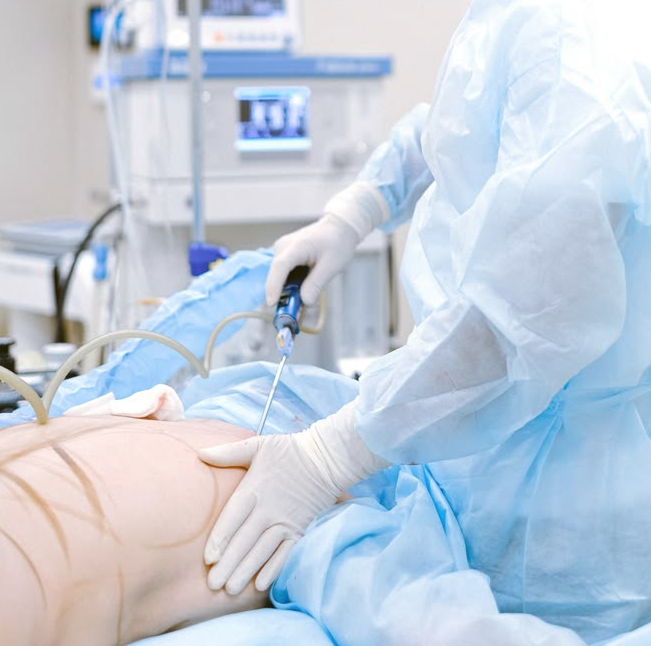
Liposuction is currently the only treatment that can effectively remove the pathological fatty tissue caused by lipedema.
Why Do We Use VASER Liposuction for Lipoedema?
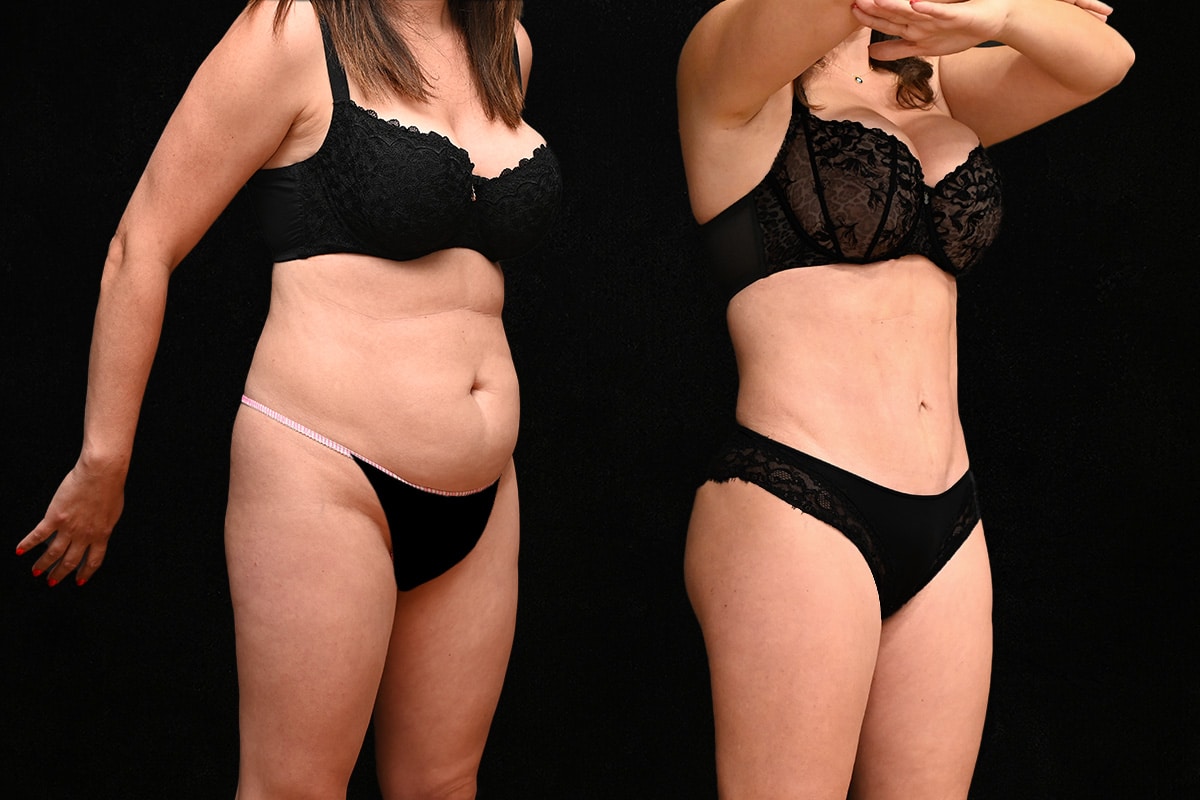
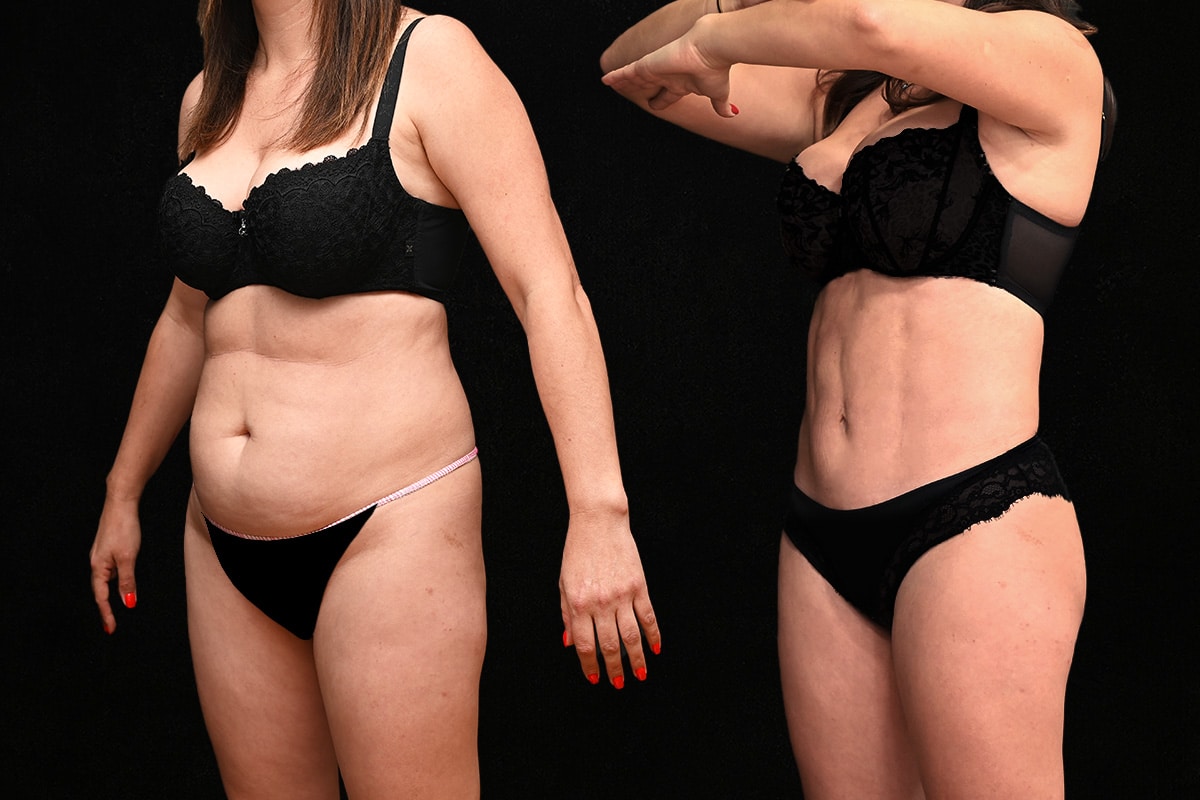
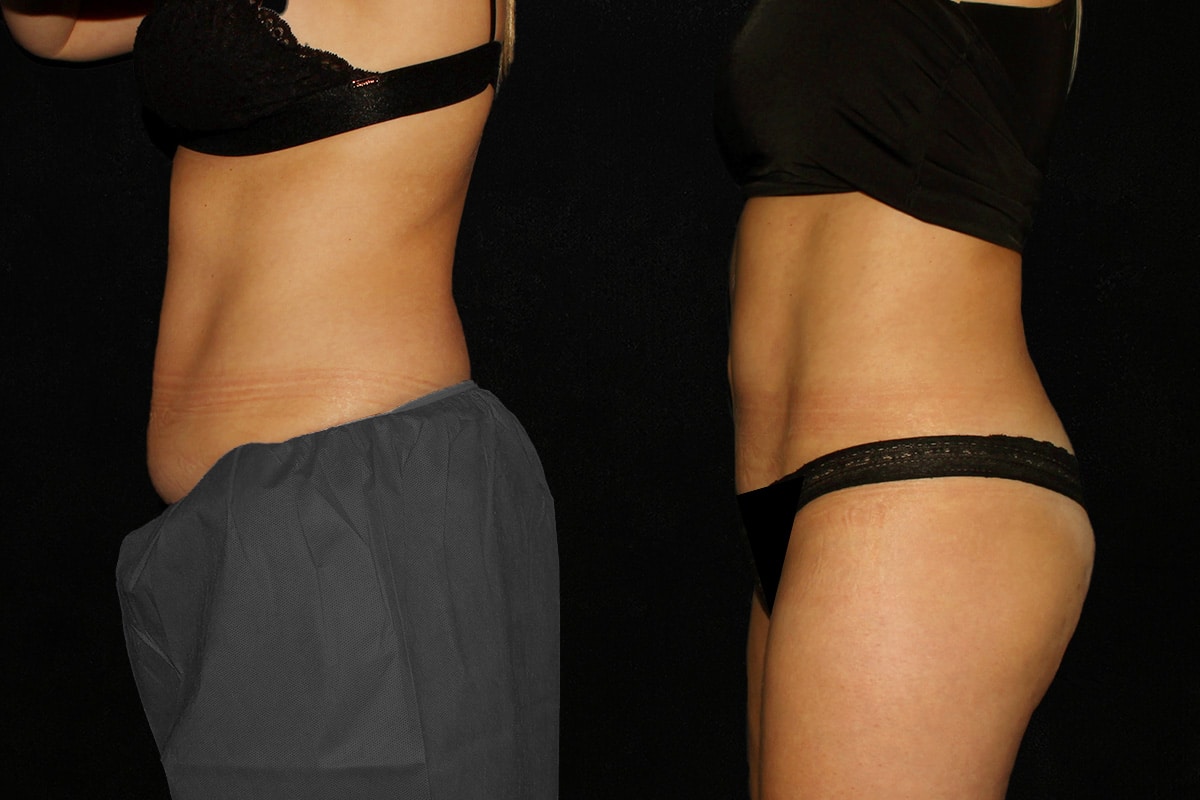
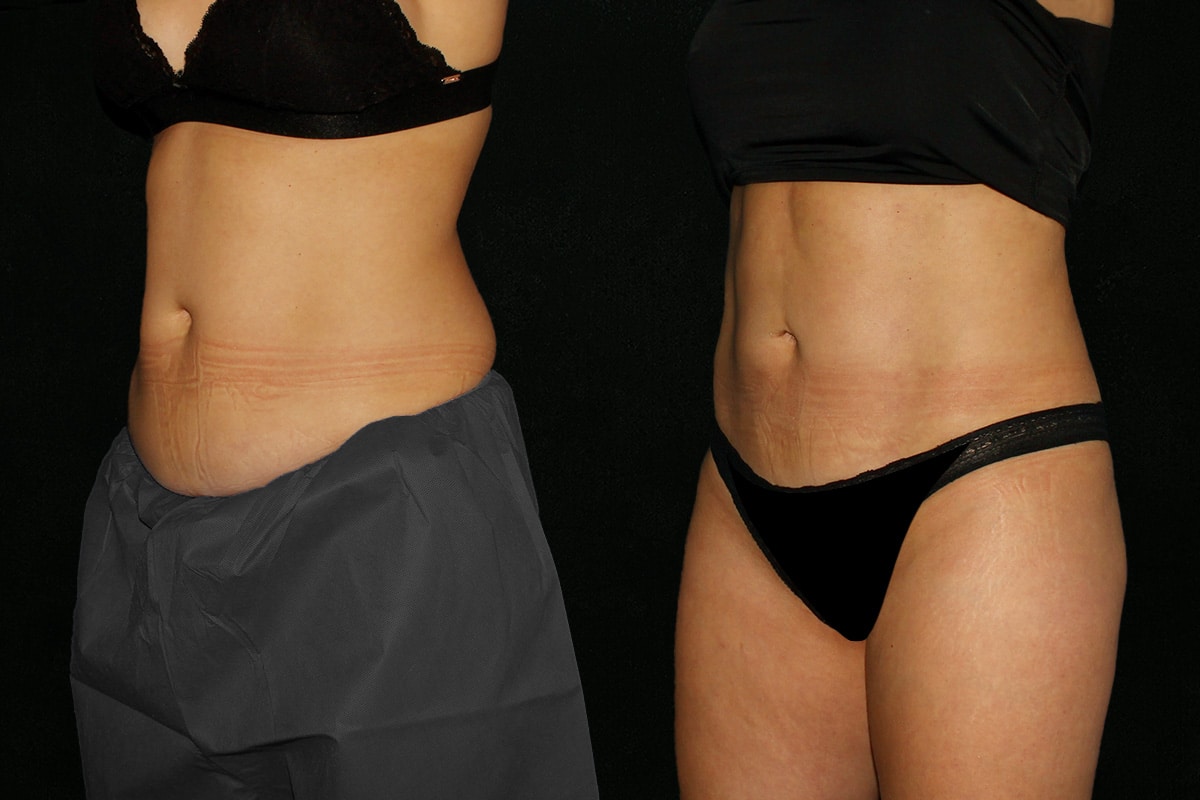
The Ultimate Combination for Lipoedema Treatment and Skin Tightening
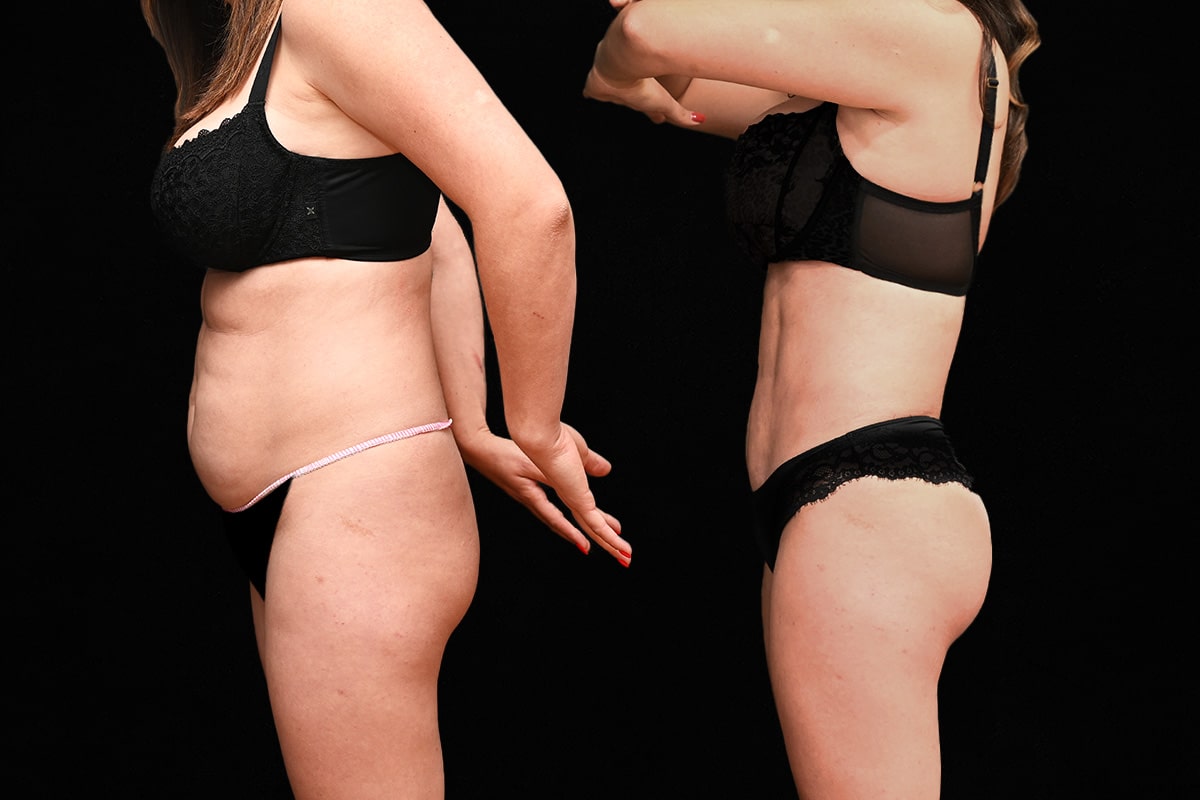
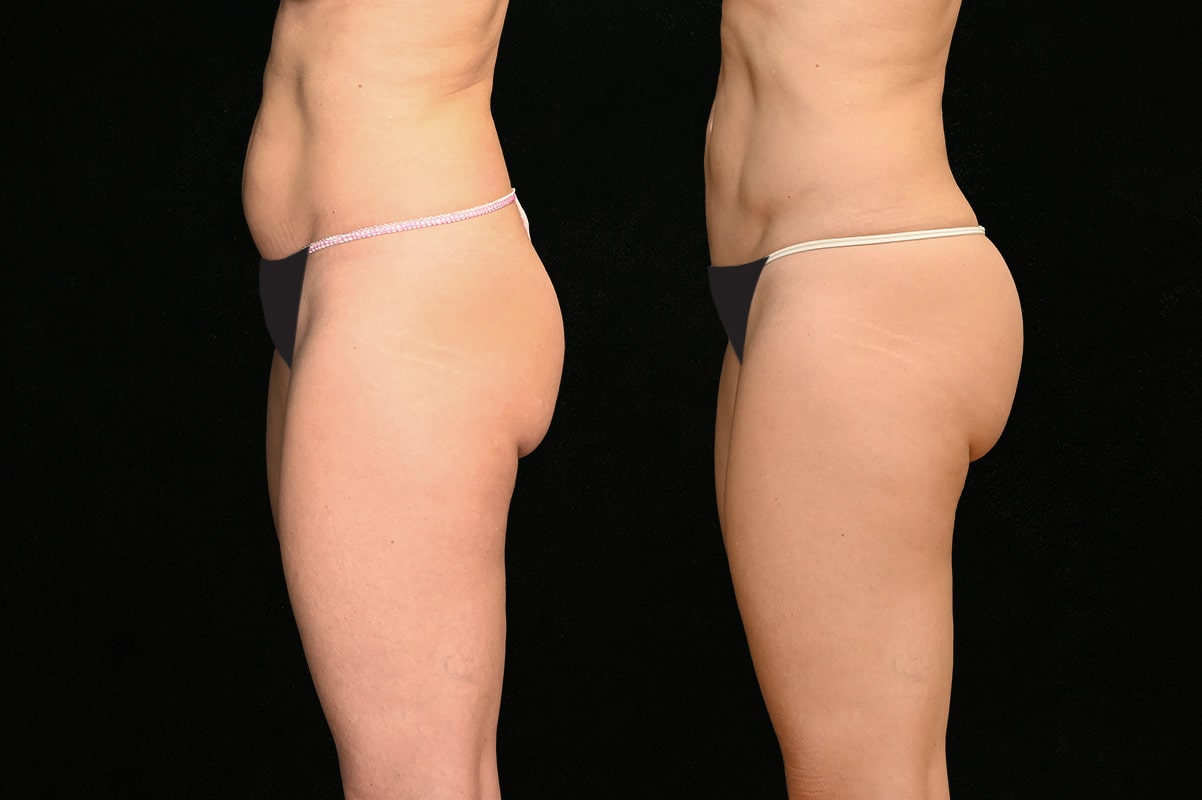
The removal of lipoedema-related fatty tissue can sometimes result in mild skin laxity or sagging.
Renuvion can help the skin adapt more effectively to the body’s new contours following liposuction.
Renuvion technology helps tighten the subcutaneous tissues and enhances the results achieved with VASER.
It combines radiofrequency energy with helium plasma to produce controlled contraction of the tissues beneath the skin while stimulating the natural production of new collagen.
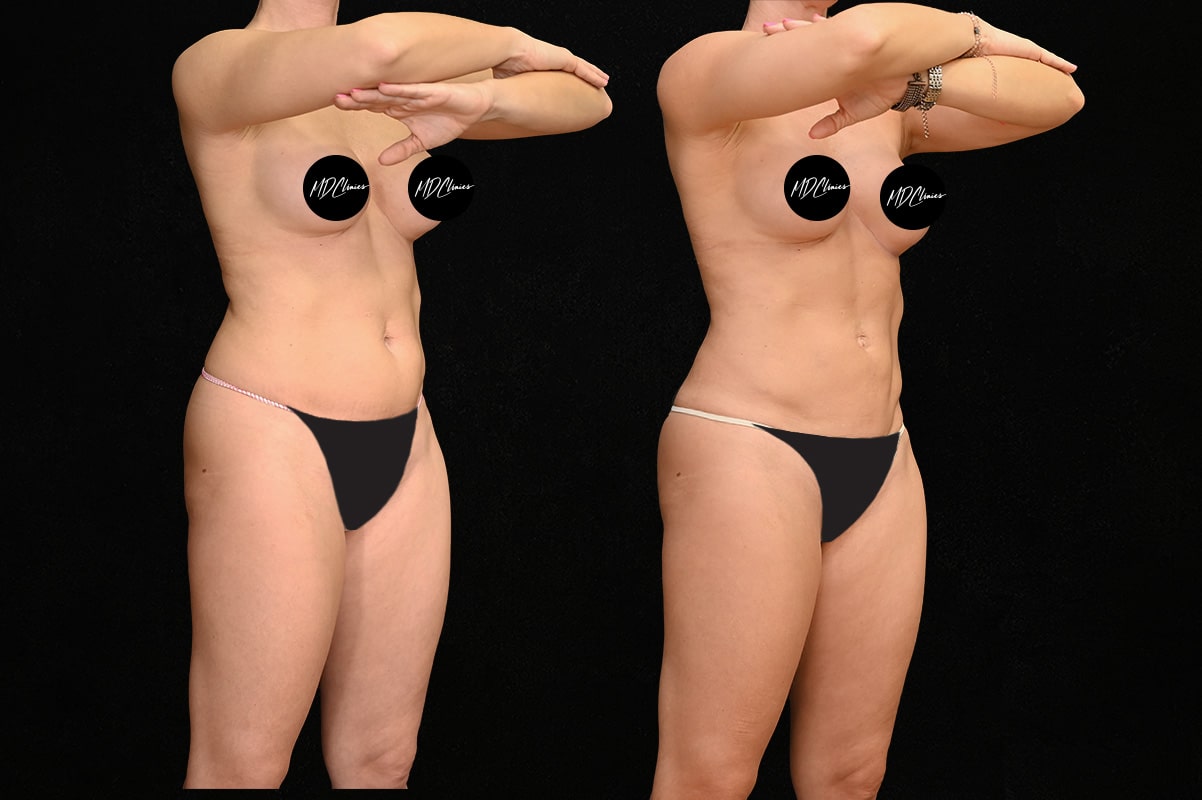
The result is a more sculpted and firmer body, with the skin adapting more effectively to the new proportions.
What Are the Benefits of Combining VASER and Renuvion?
Enhanced Skin Tightening: Following the removal of fatty tissue, the skin must adapt to the body’s new contours. Renuvion can significantly improve tissue firmness and elasticity, supporting a smoother and tighter result.
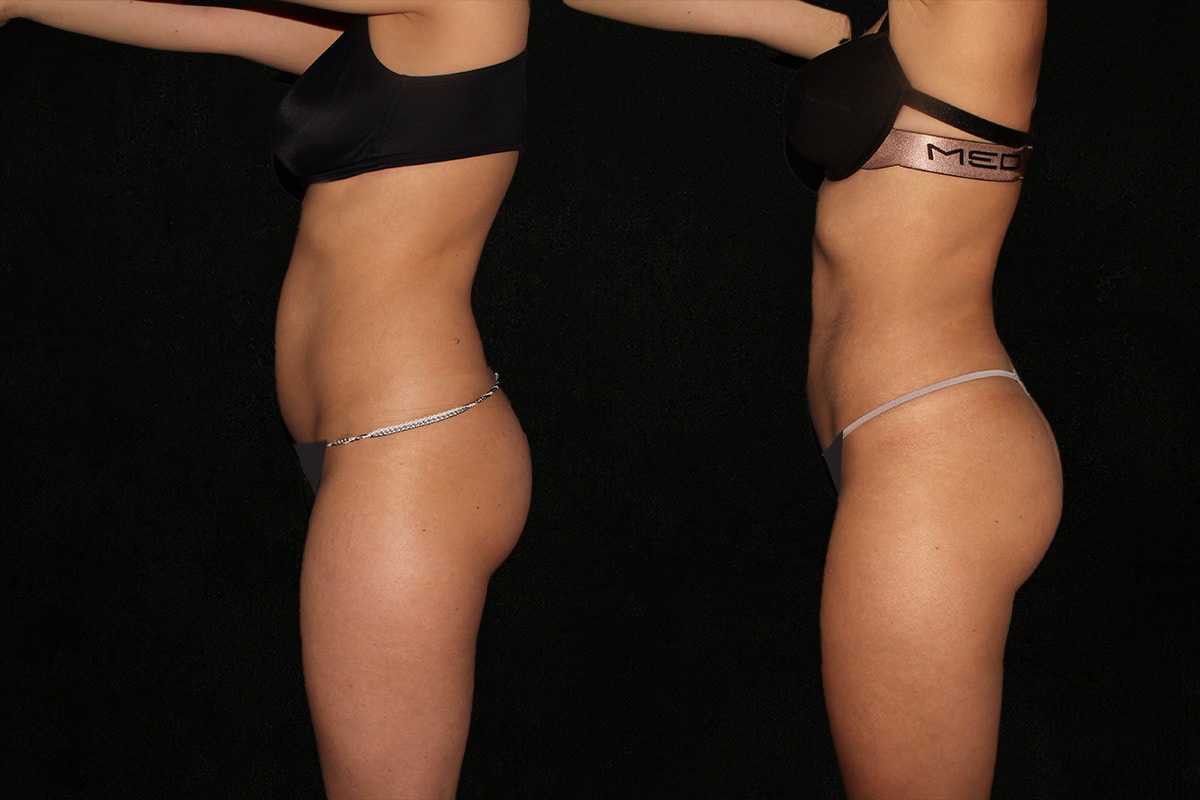
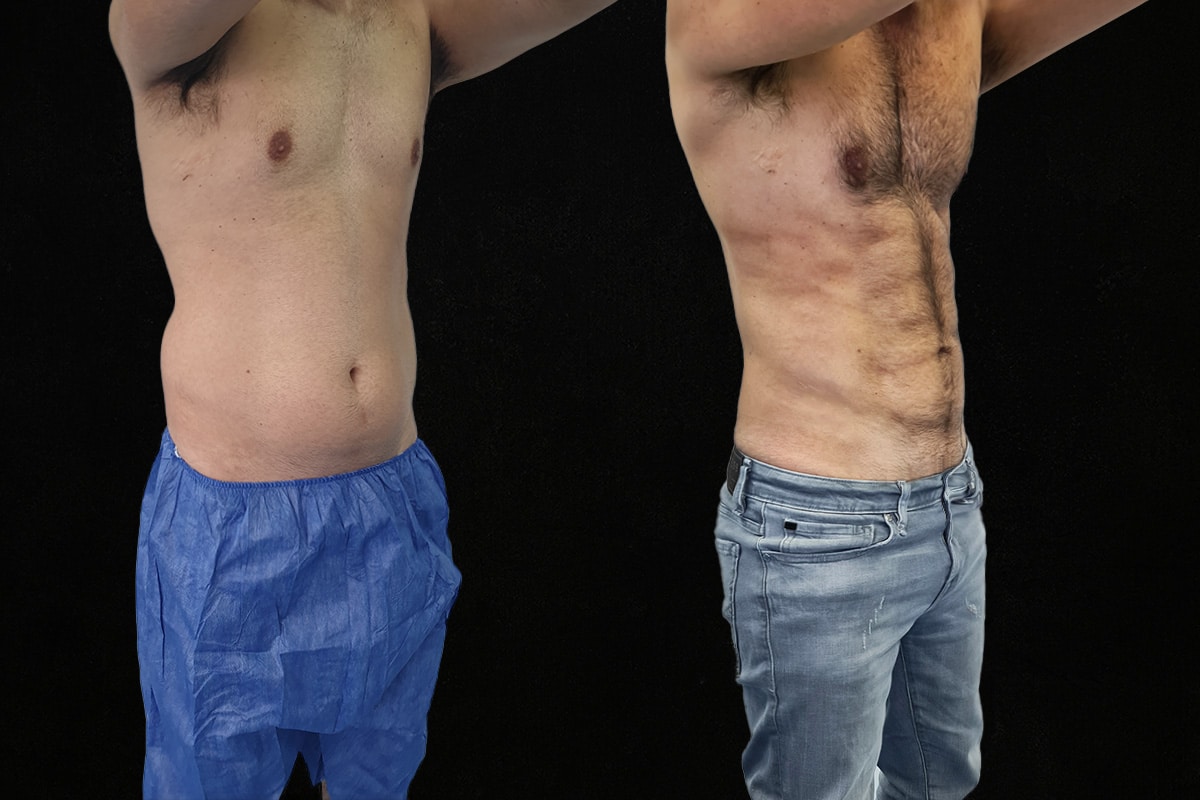
Improved body contouring: The combined treatment allows the surgeon to create more defined and balanced contours, particularly in areas such as the abdomen, waist and back.
Improved Skin Quality: The thermal energy produced by Renuvion stimulates collagen production, gradually improving the texture, firmness and overall appearance of the skin.
Reduced Risk of Skin Laxity: In patients with mild to moderate skin laxity, the combination of VASER and Renuvion may significantly reduce the need for more extensive skin-removal procedures.
Will I Need More Than One Operation?
The answer depends on the extent and stage of the lipoedema.
In mild cases, treatment may be completed during a single surgical procedure.
In more advanced cases, two or more procedures may be required to ensure the safe and comprehensive removal of the abnormal fatty tissue.
The treatment plan is always personalised following a thorough clinical assessment.
Can Lipoedema Return After Liposuction?
The fat cells removed through liposuction do not grow back.
However, lipoedema is a chronic condition, and its long-term progression may be influenced by factors such as hormonal changes, weight gain and overall health management.
Most patients experience a significant and long-lasting improvement in both their symptoms and their overall quality of life.
Is It Lipedema or Obesity?
One of the greatest challenges when diagnosing lipoedema is that it is frequently mistaken for obesity.
For many years, women with lipoedema may be told that they simply need to lose weight, follow a stricter diet or exercise more.
In reality, however, lipoedema and obesity are two very different conditions.
1. Obesity causes a generalised increase in fatty tissue throughout the body.
Lipoedema, in contrast, causes an abnormal and disproportionate accumulation of fat in specific areas, particularly the hips, thighs, knees and calves.
Women with lipoedema often have a slim or normally proportioned upper body, while their legs remain disproportionately enlarged.
2. Response to Weight Loss: Lipoedema fat behaves differently from ordinary body fat.
Even following significant weight loss, the areas affected by lipoedema may remain largely unchanged.
3. Pain and Tenderness: Another important difference is the presence of pain.
Lipoedema is frequently associated with tenderness, heaviness, pain in the limbs and easy bruising.
Obesity alone does not usually cause these symptoms.