






Gynecomastia
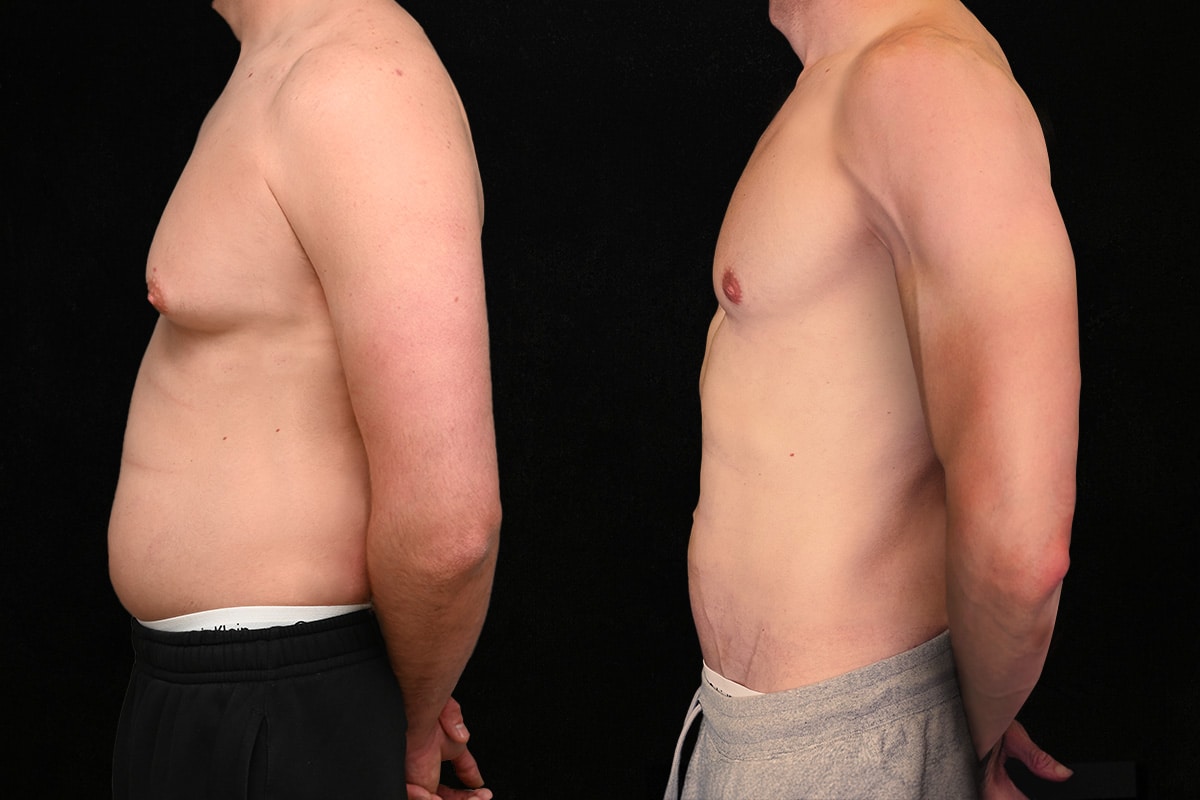
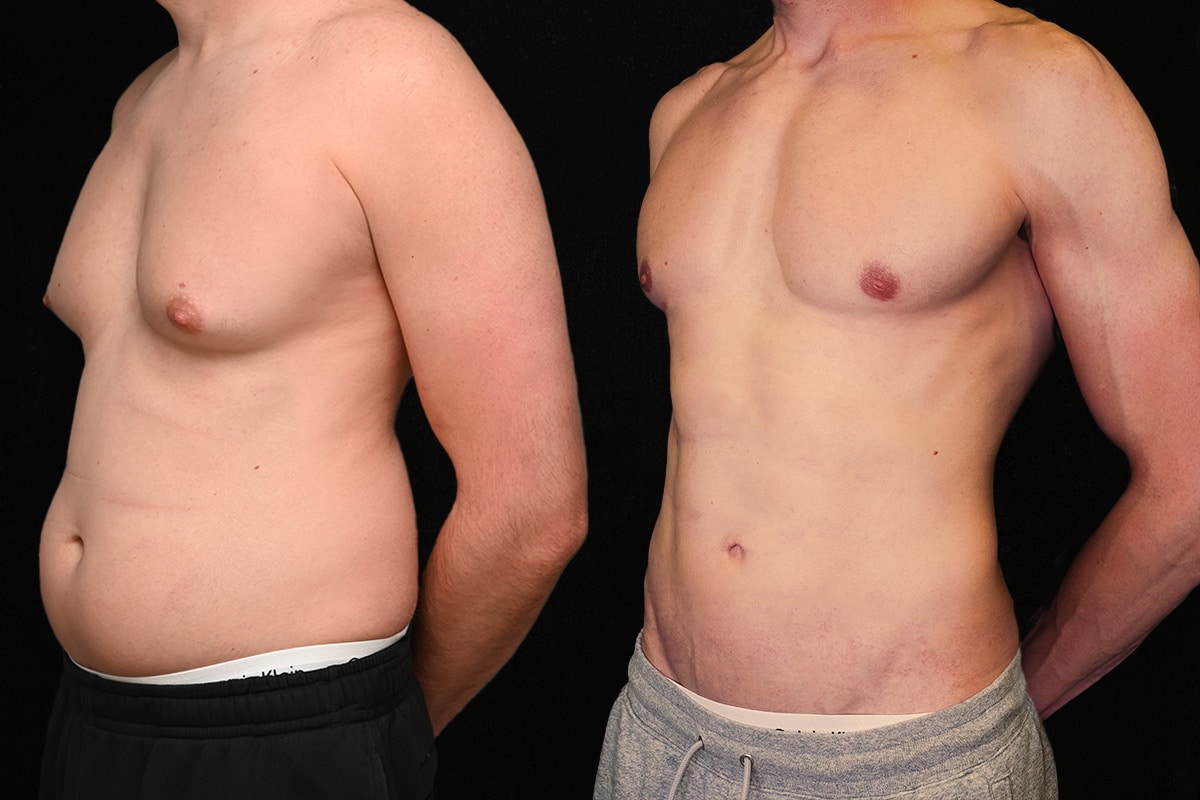
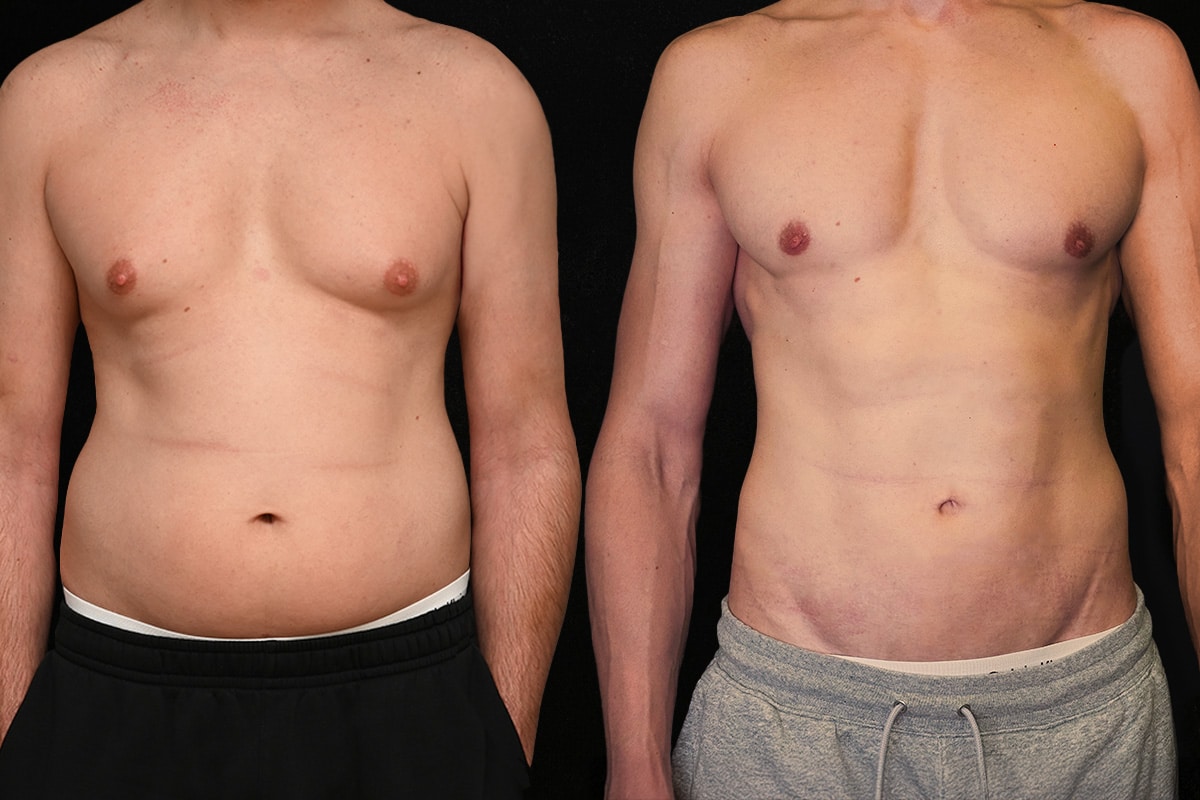
Gynecomastia is a condition characterised by the enlargement of male breast tissue. It can significantly affect a man’s confidence, lifestyle and overall quality of life. Approximately 50% of men experience some degree of gynecomastia, ranging from mild to more advanced forms. The condition may not only affect self-esteem but can also limit clothing choices and participation in certain physical or social activities. Just as a fuller breast is often associated with femininity in women, a firm and flat chest is commonly regarded as a symbol of masculinity in men.

Key Information About Gynecomastia Surgery
Treatment Duration 
Approximately 1.5 hours.
Cost
Indicative price: from €1,000.
Anesthesia
Local or general anaesthesia.
Visible Results
The improvement is visible immediately after surgery, while the final result develops within approximately 2–3 months.
Technique
Surgical procedure.
Recovery Time
Approximately 5–7 days.
Duration of Results
Forever.
Pain Level
Generally painless.
Consultation
€50. The consultation fee is deducted from the total cost of the procedure when the surgery is performed.
Types of Gynecomastia
True Gynecomastia: Hormonal Imbalances and Their Effects
True gynecomastia, also known as glandular gynecomastia, is caused by an imbalance between oestrogen and testosterone levels in men, leading to the excessive development of glandular breast tissue.
It commonly occurs in newborns due to exposure to maternal oestrogen, in adolescents during hormonal changes and in older men as a result of the natural decline in testosterone levels.
The condition may also be associated with certain medications, substance misuse and a variety of underlying medical conditions.
True gynecomastia is typically characterised by a distinct, firmer area of tissue beneath the nipple, which feels different from the surrounding fatty tissue.
Grades of Gynecomastia
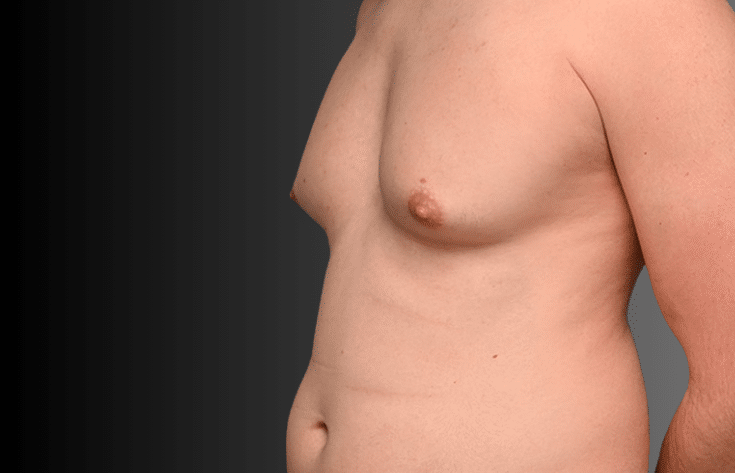
Gynecomastia can range from a small amount of swelling beneath the nipple to the development of significantly enlarged breasts.
The condition is generally classified into four grades according to its severity, ranging from minimal enlargement in Grade 1 to large, female-like breasts in Grade 4.
Grade 1 Gynecomastia: The Early Stage
Grade 1 gynecomastia is characterised by a small amount of breast tissue enlargement, mainly located beneath the nipple and areola.
At this stage, the condition is usually not noticeable beneath clothing.
The nipple may appear slightly prominent or puffy and may develop a more conical shape. This subtle change is often overlooked or considered insignificant, but it may indicate the beginning of glandular tissue development.
Grade 3 Gynecomastia: A Clearly Visible Change
In Grade 3 gynecomastia, the enlargement becomes clearly visible and is often accompanied by excess skin around the areola.
This may cause the nipple to point downwards.
The width of the breast increases, and noticeable sagging of the breast tissue may develop. The condition can be visible even beneath loose-fitting clothing.
At this stage, gynecomastia may have a significant aesthetic and psychological impact, as the chest begins to develop a more feminine appearance.
Each grade of gynecomastia represents not only a physical change but may also carry psychological and emotional consequences.
Early recognition and proper assessment can lead to more timely and effective treatment. Depending on the cause and severity, treatment may range from lifestyle changes and medication in milder cases to surgical correction in more advanced stages.
Gynecomastia Treatment
For the effective and safe treatment of gynecomastia, it is essential to first determine the type of condition present.
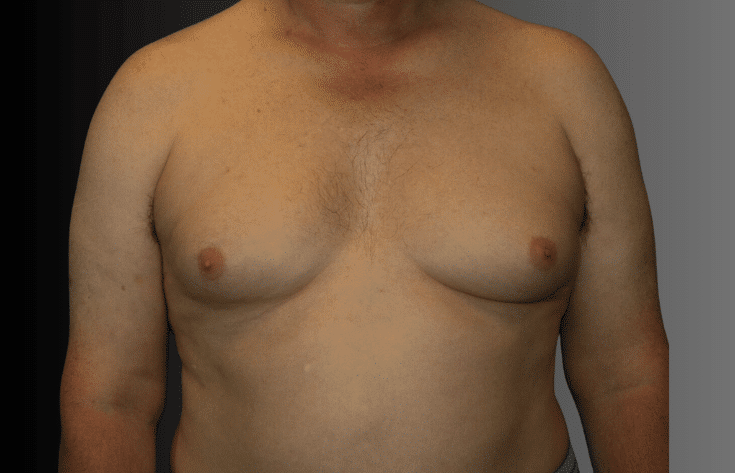
The doctor must assess whether the patient has true gynecomastia, caused mainly by glandular tissue, or pseudogynecomastia, caused primarily by excess fat.
Treating True Gynecomastia: The En Bloc Technique
When excessive glandular tissue is the primary cause of gynecomastia, the en bloc surgical technique, also known as a subcutaneous mastectomy, may be used to remove the gland completely.
The procedure involves a small semicircular incision along the border of the areola, helping to ensure that the resulting scar remains as discreet as possible after healing.
In addition to removing the gland, the surgeon carefully reshapes and contours the chest to create a flatter and more masculine appearance.
When significant skin laxity accompanies severe glandular enlargement, additional incisions around the nipple may be required to remove excess skin and tighten the chest.
Treating Pseudogynecomastia: Minimally Invasive Liposuction Techniques
In cases of pseudogynecomastia, advanced liposuction methods such as VASER liposuction may be used to target and remove excess fat.
The procedure improves the contours of the chest and can also support skin tightening.
VASER liposuction may be performed under local anaesthesia and is generally associated with minimal recovery time.
The small incisions are usually positioned in less visible areas, such as beneath the armpit or along the lower chest crease. This allows the fat to be gently removed while the chest is naturally sculpted and defined.
Weight Loss and Gynecomastia
Weight loss can help reduce pseudogynecomastia by decreasing the volume of fat cells in the chest area.
However, it is less effective in cases of true gynecomastia because glandular breast tissue does not shrink significantly through diet or exercise.
In some cases, losing weight may make true gynecomastia appear more noticeable, as the surrounding fatty tissue decreases while the glandular tissue remains.